
Year 3 English Worksheets PDF: A Comprehensive Guide
Year 3 English worksheets in PDF format offer structured learning, reinforcing grammar, punctuation, and writing skills. These resources engage pupils while building a strong foundation.
Understanding the Need for Year 3 English Worksheets
Year 3 marks a pivotal stage in a child’s English education, transitioning from learning to read to reading to learn. Worksheets specifically designed for this age group address the increasing complexity of language skills. They provide targeted practice in areas where students often need extra support, solidifying foundational concepts.

The need arises because Year 3 introduces more sophisticated grammatical structures, punctuation rules, and writing expectations. Pupils begin to encounter longer and more complex texts, demanding improved reading comprehension. Worksheets offer a focused environment for mastering these skills, supplementing classroom learning and identifying areas for individual attention.
Furthermore, the PDF format offers practicality and accessibility. They can be easily downloaded, printed, and used at home or in the classroom, providing consistent practice opportunities. These resources are invaluable for reinforcing learning, building confidence, and preparing students for future academic success in English.
Key Skills Targeted in Year 3 English
Year 3 English worksheets primarily target core skills crucial for developing literacy proficiency. These include strengthening reading comprehension through varied texts and question types, fostering the ability to extract information and understand meaning. Grammar is a significant focus, with exercises concentrating on nouns, verbs, adjectives, and their correct usage within sentences.
Punctuation mastery is also key, emphasizing the proper application of full stops, question marks, and exclamation marks to construct clear and effective sentences. Spelling practice is integrated, building vocabulary and reinforcing phonetic knowledge. Worksheets also encourage sentence structure development, teaching pupils how to combine words and phrases logically.
Beyond these fundamentals, a strong emphasis is placed on vocabulary building, expanding a child’s word bank and improving their ability to express themselves effectively. Ultimately, these worksheets aim to equip Year 3 students with the essential tools for confident communication and academic success.
Types of Year 3 English Worksheets Available
A diverse range of Year 3 English worksheets in PDF format caters to varied learning needs. Reading comprehension worksheets present passages followed by questions assessing understanding – multiple choice, short answer, and true/false formats are common. Grammar worksheets focus on specific parts of speech, like nouns, verbs, and adjectives, with exercises for identification and application.
Punctuation worksheets drill the correct use of full stops, question marks, and exclamation marks, often through sentence completion or error correction. Spelling worksheets target common Year 3 spelling patterns and tricky words, utilizing activities like word searches and fill-in-the-blanks; Creative writing prompts and exercises encourage imaginative storytelling and descriptive writing.
Sentence structure worksheets help pupils build grammatically correct and varied sentences. Vocabulary-building worksheets introduce new words and test understanding through matching and contextual usage. Finally, worksheets focusing on different text types – stories, poems, instructions – broaden exposure and analytical skills.
Reading Comprehension Worksheets
Reading comprehension worksheets for Year 3, often available as PDFs, are crucial for developing essential literacy skills. These worksheets typically present short passages – stories, poems, or factual texts – followed by a series of questions designed to assess a child’s understanding of what they’ve read. Question types commonly include multiple-choice, requiring students to select the best answer from a provided list.
Short-answer questions encourage pupils to formulate their own responses, demonstrating a deeper level of comprehension. True or false statements test the ability to identify accurate information within the text. Inference questions challenge students to ‘read between the lines’ and draw conclusions based on clues provided in the passage.
Effective worksheets also incorporate vocabulary work, asking children to define unfamiliar words within context. Sequencing activities help reinforce understanding of the story’s plot. These PDFs provide targeted practice, building confidence and fluency in reading and interpreting text.
Grammar Worksheets: Nouns, Verbs, and Adjectives
Grammar worksheets focusing on nouns, verbs, and adjectives, frequently found as downloadable PDFs, are fundamental for Year 3 English development. These resources provide targeted practice in identifying and using these core parts of speech correctly. Noun exercises often involve circling nouns within sentences, categorizing them as person, place, or thing, or forming plurals.
Verb worksheets concentrate on recognizing action words, identifying tense (past, present, future), and correctly conjugating verbs to agree with the subject. Adjective activities focus on describing nouns, comparing and contrasting using adjectives, and understanding degrees of comparison (e.g., big, bigger, biggest).
Many PDFs incorporate fill-in-the-blank exercises, sentence construction tasks, and word sorting activities to reinforce learning. Visual aids and engaging themes help maintain student interest. Consistent practice with these worksheets builds a solid grammatical foundation, essential for effective communication.
Punctuation Worksheets: Full Stops, Question Marks, and Exclamation Marks
Punctuation worksheets, readily available as Year 3 English PDFs, are crucial for developing accurate writing skills. These resources specifically target the correct usage of full stops, question marks, and exclamation marks – foundational elements of sentence construction. Worksheets commonly present sentences lacking punctuation, requiring students to insert the appropriate mark.
Exercises often differentiate between statements (full stops), questions (question marks), and commands or strong feelings (exclamation marks). Some PDFs include passages where students must identify and correct punctuation errors. Activities may also involve rewriting sentences to change their meaning by altering the punctuation used.
Visual cues and relatable examples help students grasp the purpose of each punctuation mark. The best worksheets offer a variety of exercise types to reinforce understanding and prevent monotony. Mastering these basics is vital for clear and effective written communication.
Spelling Worksheets for Year 3
Spelling worksheets designed for Year 3, often found as downloadable PDFs, are essential for building literacy skills. These resources focus on common exception words, phonetic patterns, and age-appropriate vocabulary. Worksheets typically include activities like filling in missing letters, circling correctly spelled words, and writing words from dictation.
Many PDFs categorize spelling lists by phonetic sound (e.g., ‘ai’ sound, ‘oa’ sound) or grammatical rule. Some worksheets incorporate visual aids or memory techniques to assist learning. A progressive approach is common, starting with simpler spellings and gradually increasing complexity.
Effective worksheets also include opportunities for students to apply their spelling knowledge in context, such as writing sentences using the target words. Regular practice with these PDFs helps improve spelling accuracy, boost confidence, and lay a strong foundation for future writing success. Variety in exercise types keeps students engaged.
Writing Prompts and Creative Writing Exercises
Year 3 English worksheets frequently include writing prompts and creative exercises to foster imagination and writing skills. These PDFs offer a range of scenarios, from narrative prompts like “Write a story about a magical adventure” to descriptive exercises such as “Describe your favorite animal.” The goal is to encourage pupils to express themselves and develop their storytelling abilities.
Many worksheets provide sentence starters or word banks to support students who may struggle with initiating writing. Others focus on specific writing techniques, like using adjectives or similes. Creative exercises might involve writing poems, creating comic strips, or composing letters to fictional characters.
Effective worksheets also emphasize the importance of planning and editing. Some PDFs include checklists to guide students through the writing process, ensuring they consider elements like punctuation, grammar, and sentence structure. Regular engagement with these prompts builds fluency and confidence in writing.
Sentence Structure Worksheets
Year 3 English worksheets dedicated to sentence structure are crucial for developing a solid grammatical foundation. These PDFs typically focus on identifying the core components of a sentence – the subject, verb, and object – and understanding how they work together. Exercises often involve rearranging jumbled words to form correct sentences, or identifying the different parts within existing sentences.

Worksheets may also introduce more complex sentence structures, such as compound sentences using conjunctions like “and,” “but,” and “or.” Pupils learn to combine simple sentences to create more varied and interesting writing. A key focus is on avoiding sentence fragments and run-on sentences.
Many resources incorporate visual aids and color-coding to help students grasp the concepts. Activities might include underlining subjects in one color and verbs in another. These worksheets aim to build confidence in constructing grammatically correct and meaningful sentences, essential for all future writing endeavors.
Vocabulary Building Worksheets
Year 3 English worksheets focusing on vocabulary expansion are vital for improving reading comprehension and written expression. These PDFs commonly employ a variety of engaging activities designed to introduce new words and reinforce their meanings. Common exercises include matching words to definitions, completing sentences with appropriate vocabulary, and identifying synonyms and antonyms.
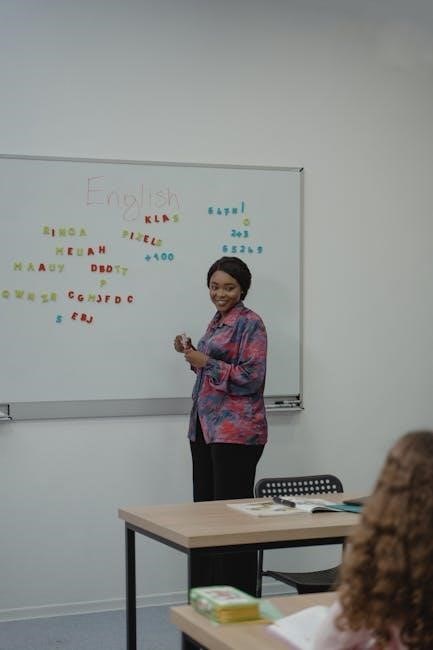
Worksheets often categorize words thematically – for example, words related to animals, food, or weather – to aid memorization and contextual understanding. Crossword puzzles and word searches are frequently incorporated to make learning fun and interactive. Some resources introduce prefixes and suffixes, helping pupils decode unfamiliar words.
A strong emphasis is placed on using new vocabulary in context. Worksheets may ask students to write their own sentences using the target words, demonstrating their understanding. The goal is to build a rich and diverse vocabulary, empowering pupils to communicate more effectively and confidently.

Worksheets Focusing on Different Text Types
Year 3 English worksheets increasingly emphasize exposure to diverse text types, preparing pupils for a wider range of reading and writing tasks. PDF resources commonly feature exercises centered around narratives – stories with characters, settings, and plots – fostering comprehension and creative writing skills. Informational texts, like fact files and simple reports, are also prevalent, teaching pupils to extract key information.
Worksheets dedicated to poetry introduce rhyme, rhythm, and figurative language in an accessible manner. Instructions and letter writing are often included, developing practical communication skills. Persuasive texts, such as advertisements or simple arguments, begin to be explored, encouraging critical thinking.
Activities typically involve reading passages followed by comprehension questions, identifying the text type, and sometimes, rewriting passages in a different format. The aim is to build familiarity with various writing styles and purposes, enhancing pupils’ overall literacy.
Free vs. Paid Year 3 English Worksheets
Year 3 English worksheets are available in both free and paid formats, each offering distinct advantages. Free worksheets, readily accessible online, provide a cost-effective starting point for supplemental practice and revision. Numerous educational websites and teacher blogs offer downloadable PDFs covering core skills like grammar and reading comprehension.

However, free resources can vary significantly in quality and may lack comprehensive coverage of the curriculum. Paid worksheets, often found on dedicated educational platforms, typically offer higher quality content, more detailed answer keys, and a wider range of activities.
These paid resources frequently include differentiated worksheets catering to varying learning levels, saving teachers valuable preparation time. Bundles covering entire units or terms are also common. Ultimately, the best choice depends on individual needs and budget; a combination of both free and paid resources can provide a well-rounded learning experience.
Where to Find Reliable PDF Worksheets Online
Locating trustworthy Year 3 English worksheets in PDF format requires careful navigation of online resources. Several websites consistently provide high-quality, curriculum-aligned materials. Established educational publishers like Twinkl and Scholastic offer extensive collections, often with both free and subscription-based options.
Dedicated teacher resource websites, such as Teachers Pay Teachers, host worksheets created by educators, providing diverse perspectives and specialized content. Websites like Education.com and K5 Learning also feature substantial libraries of printable worksheets.
When selecting resources, prioritize sites with clear authorship, positive user reviews, and alignment with national curriculum standards. Always preview the worksheet before downloading to ensure it meets your specific teaching objectives and student needs. Be cautious of websites with excessive advertising or unclear copyright information, opting instead for reputable educational platforms.
Benefits of Using PDF Worksheets
Utilizing Year 3 English worksheets in PDF format offers numerous advantages for both educators and students. PDFs ensure consistent formatting across different devices, eliminating display issues often encountered with other file types. Their portability allows for easy access at school, home, or during travel, supporting flexible learning environments.

PDFs are readily printable, enabling tangible practice and offline activities, catering to diverse learning preferences. They also facilitate easy distribution and storage, streamlining classroom management. Furthermore, PDFs often incorporate interactive elements, enhancing engagement and providing immediate feedback.
The structured nature of worksheets promotes focused learning and skill reinforcement. They allow for individualized practice, addressing specific student needs and fostering independent learning. Ultimately, PDF worksheets provide a cost-effective and versatile tool for supplementing English lessons and tracking student progress.
Tips for Effective Worksheet Use
To maximize the benefits of Year 3 English worksheets (PDF format), consider these tips. Begin by selecting worksheets aligned with specific learning objectives and student needs. Introduce the worksheet with a clear explanation of the task and expected outcomes, ensuring comprehension.
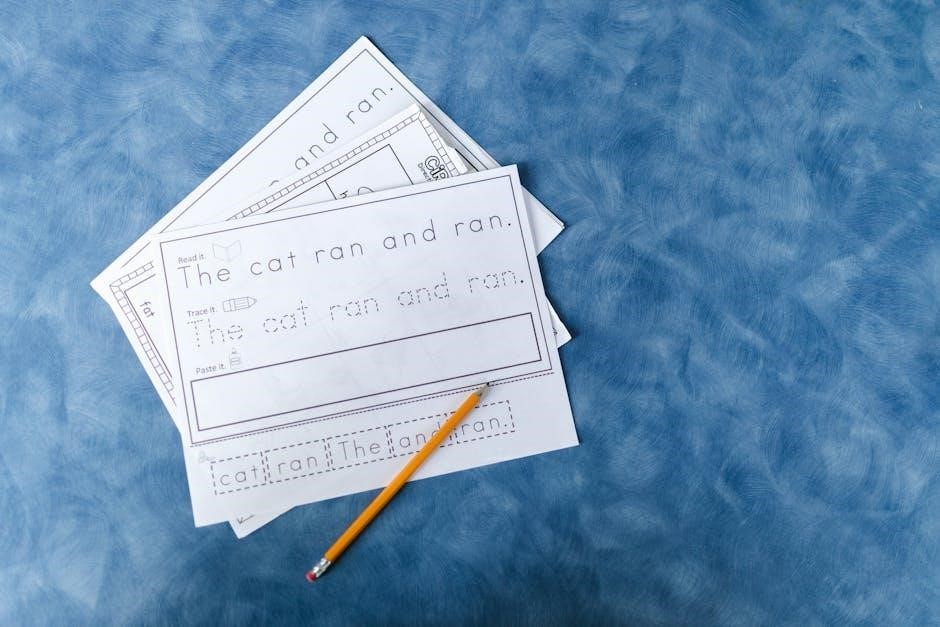
Encourage students to read instructions carefully before starting, promoting independent problem-solving. Provide differentiated support, offering scaffolding for struggling learners and extension activities for advanced students. Monitor progress and provide timely feedback, addressing misconceptions and reinforcing correct answers.
Transform worksheets into engaging activities by incorporating games, peer collaboration, or creative extensions. Don’t solely rely on completion; focus on understanding and application of concepts. Regularly review completed worksheets to identify areas needing further instruction. Remember, worksheets are tools to support learning, not replace dynamic teaching.
Adapting Worksheets to Individual Learning Needs
Effective use of Year 3 English worksheets (PDF) necessitates adaptation for diverse learners. For students needing extra support, simplify instructions, reduce the number of questions, or provide sentence starters. Visual aids and manipulatives can also enhance understanding.
Conversely, challenge advanced learners with extension tasks – asking them to rewrite sentences with more complex vocabulary, create their own examples, or explain concepts to peers. Modify the format; allow verbal responses instead of written ones, or offer choices in how they demonstrate understanding.

Consider learning styles: kinesthetic learners might benefit from acting out scenarios related to the worksheet, while auditory learners could discuss answers with a partner. Breaking down larger tasks into smaller, manageable steps is crucial. Regularly assess and adjust adaptations based on individual progress, ensuring all students are appropriately challenged and supported.
Printing and Accessibility Considerations
When utilizing Year 3 English worksheets in PDF format, mindful printing is essential. Opt for double-sided printing to conserve paper, and consider grayscale if color isn’t crucial. Ensure font sizes are legible – a minimum of 12pt is recommended – and choose clear, sans-serif fonts for improved readability.
Accessibility is paramount. PDFs should be tagged correctly to be compatible with screen readers for visually impaired students. Provide alternative text descriptions for images. Offer worksheets in digital formats alongside PDF, allowing for text resizing and customization.
For students with dyslexia, consider using dyslexia-friendly fonts and adjusting line spacing. Ensure sufficient contrast between text and background. Preview printed worksheets to confirm clarity before distribution. Offering both printed and digital versions caters to diverse learning preferences and accessibility needs, fostering inclusive learning.